
Injectables · 5 min read
Neurotoxin or filler? Choosing the right treatment
By the Foley OB & Aesthetics team · Published
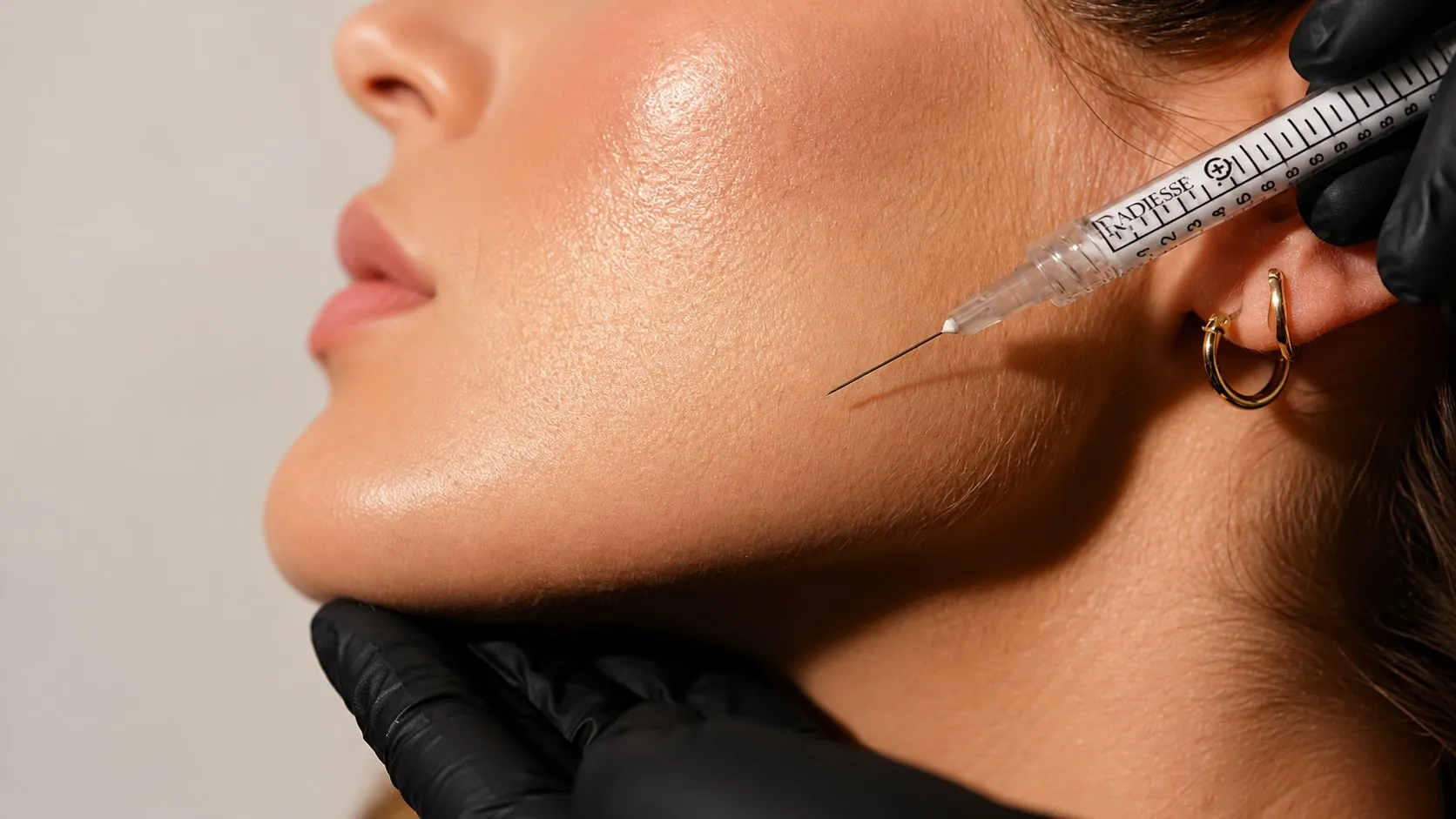
The short answer
Neurotoxins such as Botox, Daxxify and Xeomin relax the muscles that cause lines when you move, like forehead lines, frown lines and crow’s feet. Dermal fillers are gels injected under the skin to soften lines you see at rest and restore fullness in areas like the cheeks and lips. Many people use both, for different areas.
How neurotoxins work
The FDA describes botulinum toxin products as injectable drugs that keep muscles from tightening, so wrinkles don’t show as much. They work best on dynamic lines, the ones that appear when you raise your brows, frown or squint.
How dermal fillers work
Dermal fillers are gel-like substances injected under the skin for a smoother or fuller look. The FDA regulates them as medical devices, and most are temporary because the body gradually breaks them down. They suit static lines and folds that show when your face is relaxed, and areas that have lost volume.
Which one fits your concern?
- Forehead lines, frown lines between the brows, crow’s feet: usually a neurotoxin.
- Smile lines, lip lines, thin lips or flat cheeks: usually a filler.
- Deeper lines that show at rest and get stronger with movement: sometimes both.
A consultation is the only way to know for sure. Your provider looks at how your face moves and where volume has changed, then recommends a plan.
Safety basics
The FDA warns against fillers sold directly to the public and needle-free injection pens. FDA-approved fillers are supplied by prescription and injected by a licensed health care professional.
Injectables at Foley Aesthetics
Our nurse practitioners and RN offer Botox, Daxxify and Xeomin, plus the RHA Collection, Versa+ and Versa Lips+ fillers. Treatments are elective and self-pay, with financing through Cherry and CareCredit. Explore injectables at Foley Aesthetics, or call 808-762-0265 to book a consultation.
This article is general information, not medical advice. Talk with your provider about your own health.